 +086 15092376905

Basic knowledge of wheelchairs
Click:Date:2025/8/6
Basic knowledge of wheelchairs
Assistive devices, as an indispensable part of daily life for disabled friends, have brought a lot of convenience and assistance to their lives. For various auxiliary equipment related services, the national and provincial levels have also provided comprehensive policy support in disability prevention and rehabilitation. In order to better promote and popularize knowledge about assistive devices for people with disabilities, the center has recently launched a series of promotional articles on assistive devices, leading everyone to understand the relevant knowledge of various assistive devices.
Basic knowledge of wheelchairs
Explanation of Wheelchair
A wheelchair is a chair with wheels that can assist and replace walking. It is an important mobile tool used for home rehabilitation, transportation, medical treatment, and outdoor activities for wounded, sick, and disabled people.
The function of a wheelchair
Wheelchairs not only meet the transportation needs of physically disabled and mobility impaired individuals, but more importantly, facilitate the movement of family members and care for patients, enabling patients to use wheelchairs for physical exercise and participate in social activities.
Wheelchair size
A wheelchair is composed of large wheels, small wheels, handwheel rings, tires, brakes, seat and other large and small components. Due to the different functions required by wheelchair users, the size of the wheelchair is also different. According to the different body shapes of adults and children, it is also divided into toddler wheelchairs and adult wheelchairs. But basically speaking, the total width of a conventional wheelchair is 65cm, the total length is 104cm, and the height of the seat is 51cm.
Choosing a wheelchair is also a very troublesome task, but for the convenience and safety of use, it is necessary to choose a suitable wheelchair. When purchasing a wheelchair, attention should be paid to measuring the seat width. The best width is the distance between the user's buttocks or thighs when sitting, plus 5cm, which means there is a gap of 2.5cm on both sides after sitting.
The structure of a wheelchair
A regular wheelchair generally consists of four parts: the wheelchair frame, wheels, brake system, and seat support. Below is a brief description of the functions of each main component of the wheelchair.
1. Large wheels: bear the main weight. There are several diameters of wheels, including 51, 56, 61, and 66cm. Except for a few cases where solid tires are used due to environmental requirements, pneumatic tires are more commonly used.
2. Small wheels: There are several diameters available, including 12, 15, 18, and 20cm. Small wheels with larger diameters are easy to cross small obstacles and special carpets. But the diameter is too large, which increases the space occupied by the entire wheelchair and makes it inconvenient to move around. Normally, the small wheels are placed before the large wheels, but in wheelchairs used by lower limb paraplegics, the small wheels are often placed behind the large wheels. During operation, it is important to note that the direction of the small wheel should be perpendicular to that of the large wheel, otherwise it is prone to tipping over.
3. Handwheel rim: Unique to wheelchairs, with a diameter generally 5cm smaller than the large wheel rim. When using one handed drive for hemiplegia, an additional smaller diameter is available for selection. The handwheel ring is usually pushed directly by the patient.
4. Tires: There are three types: solid, inflatable inner tube, and tubeless inflatable. Solid type can walk quickly on flat ground and is not easy to explode or push, but it vibrates greatly on uneven roads and is difficult to pull out when stuck in a groove the same width as the tire; Inflatable inner tubes are difficult to push and easy to puncture, but the vibration is smaller than solid ones; The tubeless inflatable type is more difficult to push than the solid one because it does not puncture and the interior is also inflated, making it comfortable to sit on.
5. Brakes: Each wheel should have brakes, although for hemiplegic individuals who can only use one hand, they can only use one hand brakes. However, extension rods can be installed to operate the brakes on both sides. There are two types of brakes:
(1) Notched brake. This brake is safe and reliable, but it requires more effort. After adjustment, it can also brake on slopes. If it cannot brake on flat ground when adjusted to level 1, it is considered invalid.
(2) Elbow brake. By utilizing the lever principle and braking through several joints, its mechanical advantages are stronger than notch brakes, but it fails faster. To increase the braking force of the patient, an extension rod is often added to the brake, but this rod is prone to damage and may affect safety if not checked regularly.
6. Chair seat: Its height, depth, and width depend on the patient's body shape, and its material texture also depends on the disease type. Generally, the depth is 41cm and 43cm, the width is 40cm and 46cm, and the height is 45cm and 50cm.
7. Seat cushion: To avoid pressure sores, seat cushion is an indispensable element, and the choice of cushion should also be highly careful.
8. Foot and leg supports: Leg supports can be designed to span both sides or be separated on both sides. Both types of supports are ideal for swinging to one side and being detachable. Attention must be paid to the height of the footrest. If the foot support is too high, the hip flexion angle will be too large, and more weight will be added to the ischial tuberosity, which can easily cause pressure ulcers in that area.
9. Backrest: Backrests can be of different heights and can be tilted or not tilted. If the patient has good balance and control of the torso, a low back wheelchair can be used to provide greater mobility for the patient. On the contrary, a high back wheelchair should be chosen.
10. Armrests or arm rests: generally 22.5-25cm above the seat surface, some arm rests can be adjusted in height. You can also place a board on the arm rest for reading and dining.
Scope and characteristics of wheelchair use
At present, there are many types of wheelchairs on the market, which can be divided into aluminum alloy, lightweight materials, and steel according to their materials. For example, they can be classified into ordinary wheelchairs and special wheelchairs according to their types. Special wheelchairs can be divided into: leisure and sports wheelchair series, electronic wheelchair series, seat side wheelchair series, assistive wheelchair series, etc.
Ordinary wheelchair: mainly composed of wheelchair frame, wheels, brakes and other devices.
Scope of application: Lower limb disabilities, hemiplegia, paraplegia below the chest, and elderly people with limited mobility.
Features: Patients can operate fixed or detachable armrests, fixed or detachable foot pedals, and can fold and place them when going out or not in use.
According to different models and prices, it can be divided into hard seat, soft seat, inflatable tire or solid core tire.
Special wheelchair: With comprehensive functions, it is not only used as a mobility tool for people with disabilities and mobility difficulties, but also has other functions.
High backrest reclining wheelchair: suitable for people with high paraplegia and elderly, weak, and multiple illnesses.
Electric wheelchair: for people with high paraplegia or hemiplegia but with one handed control ability. picture
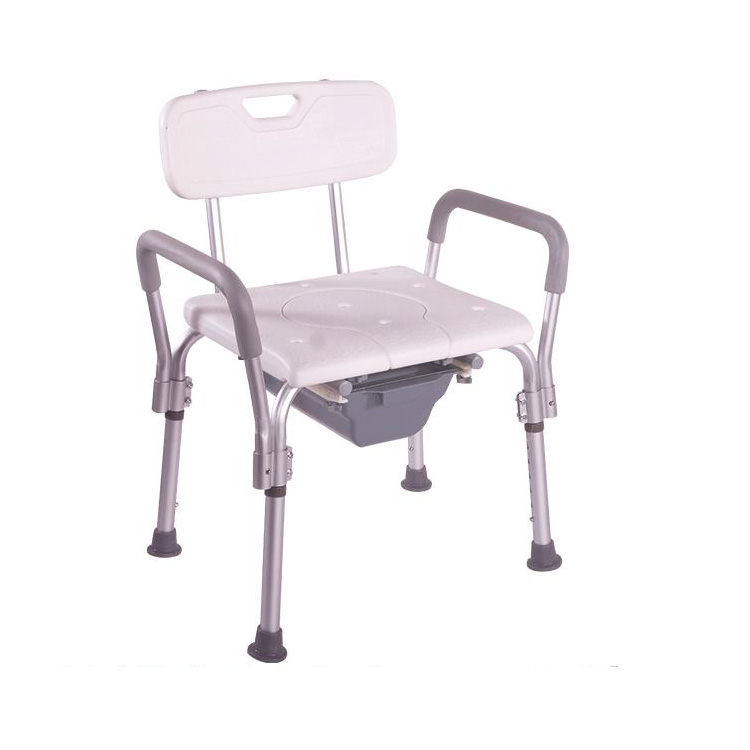
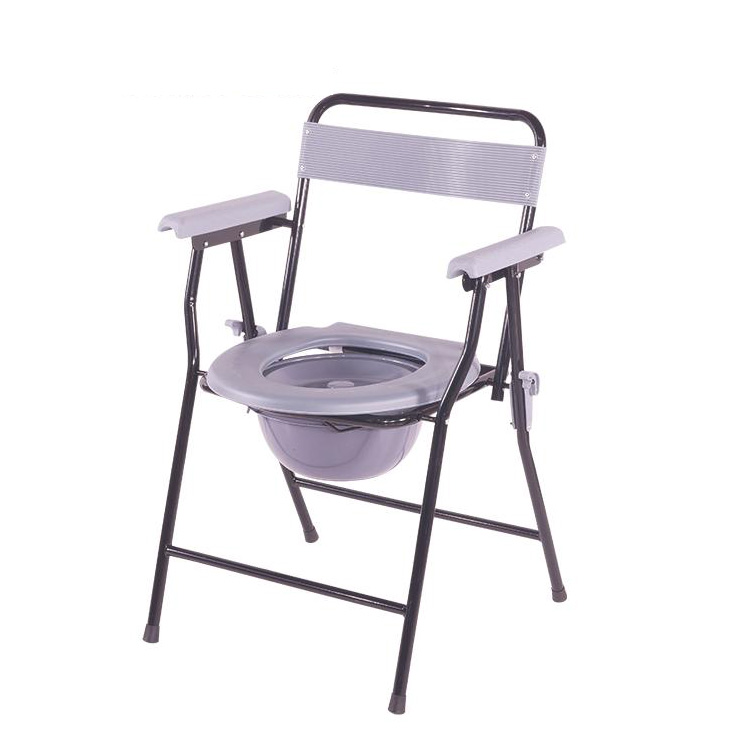
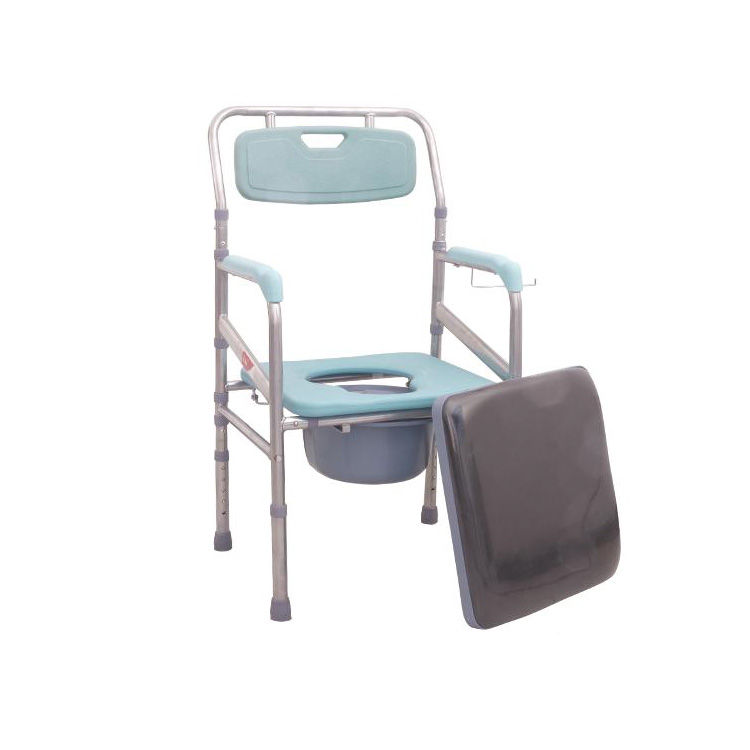
Toilet wheelchair: for physically disabled and elderly people who cannot use the toilet on their own. It is divided into small wheel toilet chairs, wheelchairs with toilets, and can be selected according to the occasion of use.
Sports wheelchair: designed for people with disabilities to use during sports activities, divided into two categories: ball games and racing. Special design, usually made of aluminum alloy or lightweight materials, sturdy and lightweight.
Assistive wheelchair: It is a dual-use wheelchair for standing and sitting Provide standing training for patients with paraplegia or cerebral palsy.
Assistive devices, as an indispensable part of daily life for disabled friends, have brought a lot of convenience and assistance to their lives. For various auxiliary equipment related services, the national and provincial levels have also provided comprehensive policy support in disability prevention and rehabilitation. In order to better promote and popularize knowledge about assistive devices for people with disabilities, the center has recently launched a series of promotional articles on assistive devices, leading everyone to understand the relevant knowledge of various assistive devices.
Basic knowledge of wheelchairs
Explanation of Wheelchair
A wheelchair is a chair with wheels that can assist and replace walking. It is an important mobile tool used for home rehabilitation, transportation, medical treatment, and outdoor activities for wounded, sick, and disabled people.
The function of a wheelchair
Wheelchairs not only meet the transportation needs of physically disabled and mobility impaired individuals, but more importantly, facilitate the movement of family members and care for patients, enabling patients to use wheelchairs for physical exercise and participate in social activities.
Wheelchair size
A wheelchair is composed of large wheels, small wheels, handwheel rings, tires, brakes, seat and other large and small components. Due to the different functions required by wheelchair users, the size of the wheelchair is also different. According to the different body shapes of adults and children, it is also divided into toddler wheelchairs and adult wheelchairs. But basically speaking, the total width of a conventional wheelchair is 65cm, the total length is 104cm, and the height of the seat is 51cm.
Choosing a wheelchair is also a very troublesome task, but for the convenience and safety of use, it is necessary to choose a suitable wheelchair. When purchasing a wheelchair, attention should be paid to measuring the seat width. The best width is the distance between the user's buttocks or thighs when sitting, plus 5cm, which means there is a gap of 2.5cm on both sides after sitting.
The structure of a wheelchair
A regular wheelchair generally consists of four parts: the wheelchair frame, wheels, brake system, and seat support. Below is a brief description of the functions of each main component of the wheelchair.
1. Large wheels: bear the main weight. There are several diameters of wheels, including 51, 56, 61, and 66cm. Except for a few cases where solid tires are used due to environmental requirements, pneumatic tires are more commonly used.
2. Small wheels: There are several diameters available, including 12, 15, 18, and 20cm. Small wheels with larger diameters are easy to cross small obstacles and special carpets. But the diameter is too large, which increases the space occupied by the entire wheelchair and makes it inconvenient to move around. Normally, the small wheels are placed before the large wheels, but in wheelchairs used by lower limb paraplegics, the small wheels are often placed behind the large wheels. During operation, it is important to note that the direction of the small wheel should be perpendicular to that of the large wheel, otherwise it is prone to tipping over.
3. Handwheel rim: Unique to wheelchairs, with a diameter generally 5cm smaller than the large wheel rim. When using one handed drive for hemiplegia, an additional smaller diameter is available for selection. The handwheel ring is usually pushed directly by the patient.
4. Tires: There are three types: solid, inflatable inner tube, and tubeless inflatable. Solid type can walk quickly on flat ground and is not easy to explode or push, but it vibrates greatly on uneven roads and is difficult to pull out when stuck in a groove the same width as the tire; Inflatable inner tubes are difficult to push and easy to puncture, but the vibration is smaller than solid ones; The tubeless inflatable type is more difficult to push than the solid one because it does not puncture and the interior is also inflated, making it comfortable to sit on.
5. Brakes: Each wheel should have brakes, although for hemiplegic individuals who can only use one hand, they can only use one hand brakes. However, extension rods can be installed to operate the brakes on both sides. There are two types of brakes:
(1) Notched brake. This brake is safe and reliable, but it requires more effort. After adjustment, it can also brake on slopes. If it cannot brake on flat ground when adjusted to level 1, it is considered invalid.
(2) Elbow brake. By utilizing the lever principle and braking through several joints, its mechanical advantages are stronger than notch brakes, but it fails faster. To increase the braking force of the patient, an extension rod is often added to the brake, but this rod is prone to damage and may affect safety if not checked regularly.
6. Chair seat: Its height, depth, and width depend on the patient's body shape, and its material texture also depends on the disease type. Generally, the depth is 41cm and 43cm, the width is 40cm and 46cm, and the height is 45cm and 50cm.
7. Seat cushion: To avoid pressure sores, seat cushion is an indispensable element, and the choice of cushion should also be highly careful.
8. Foot and leg supports: Leg supports can be designed to span both sides or be separated on both sides. Both types of supports are ideal for swinging to one side and being detachable. Attention must be paid to the height of the footrest. If the foot support is too high, the hip flexion angle will be too large, and more weight will be added to the ischial tuberosity, which can easily cause pressure ulcers in that area.
9. Backrest: Backrests can be of different heights and can be tilted or not tilted. If the patient has good balance and control of the torso, a low back wheelchair can be used to provide greater mobility for the patient. On the contrary, a high back wheelchair should be chosen.
10. Armrests or arm rests: generally 22.5-25cm above the seat surface, some arm rests can be adjusted in height. You can also place a board on the arm rest for reading and dining.
Scope and characteristics of wheelchair use
At present, there are many types of wheelchairs on the market, which can be divided into aluminum alloy, lightweight materials, and steel according to their materials. For example, they can be classified into ordinary wheelchairs and special wheelchairs according to their types. Special wheelchairs can be divided into: leisure and sports wheelchair series, electronic wheelchair series, seat side wheelchair series, assistive wheelchair series, etc.
Ordinary wheelchair: mainly composed of wheelchair frame, wheels, brakes and other devices.
Scope of application: Lower limb disabilities, hemiplegia, paraplegia below the chest, and elderly people with limited mobility.
Features: Patients can operate fixed or detachable armrests, fixed or detachable foot pedals, and can fold and place them when going out or not in use.
According to different models and prices, it can be divided into hard seat, soft seat, inflatable tire or solid core tire.
Special wheelchair: With comprehensive functions, it is not only used as a mobility tool for people with disabilities and mobility difficulties, but also has other functions.
High backrest reclining wheelchair: suitable for people with high paraplegia and elderly, weak, and multiple illnesses.
Electric wheelchair: for people with high paraplegia or hemiplegia but with one handed control ability. picture
Toilet wheelchair: for physically disabled and elderly people who cannot use the toilet on their own. It is divided into small wheel toilet chairs, wheelchairs with toilets, and can be selected according to the occasion of use.
Sports wheelchair: designed for people with disabilities to use during sports activities, divided into two categories: ball games and racing. Special design, usually made of aluminum alloy or lightweight materials, sturdy and lightweight.
Assistive wheelchair: It is a dual-use wheelchair for standing and sitting Provide standing training for patients with paraplegia or cerebral palsy.